

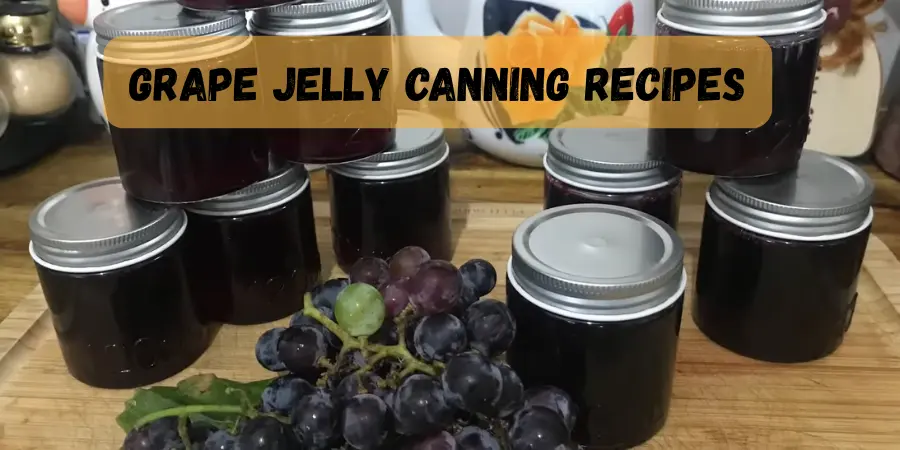
Taking on a homemade jelly project taught me that the hardest part is simply deciding to start, especially when you’ve struggled for years with store-bought versions full of preservatives, food dyes, and excess sugar. When I first worked with fresh grapes from nearby grape vines, I was surprised by how satisfying it felt to customize the type of grape, adjust the thick or soft texture, and turn simple grape juice into something smooth, flavorful, and full of childhood warmth. Even a quick batch made with store bought juice becomes richer when you rely on quality ingredients, a simple recipe, and a bit of careful prep.
What makes this an ideal beginner canning and preserving adventure is how naturally the recipe fits into everyday cooking, one day it’s spread on toast, the next it’s used in savory recipes like meatballs. I’ve learned that using simple ingredients lets the rich flavor and fruity flavor shine without needing anything extra. With each jar of canned grape jelly, life genuinely feels easier, and it’s fun knowing you can rely on something better than store-bought versions whenever you need it.
Which Grapes Are Best for Grape Jelly Canning Recipes- The Answer
When I began making jelly, I learned that different grape varieties change the sweetness, color, and overall flavor. Concord gives a deep, nostalgic taste, while red and green grapes offer a lighter one. Mixing varieties, like combining black and red grapes, creates richer color and smoother, brighter jelly.
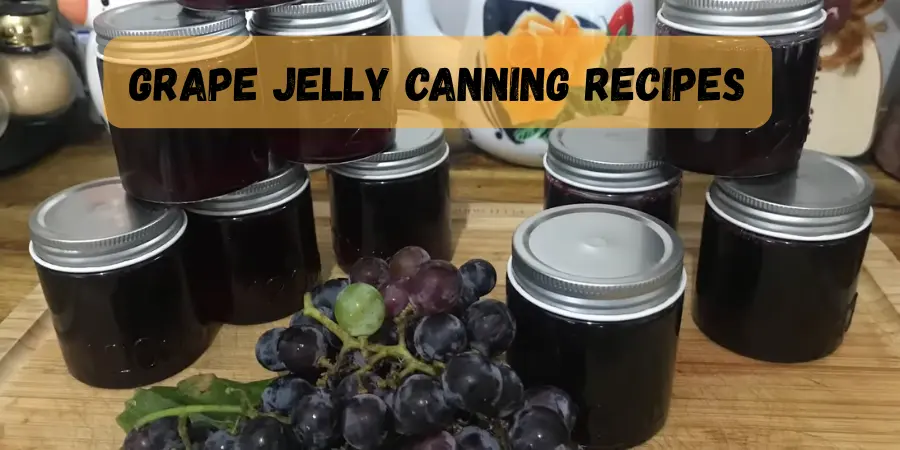
What Kind of Grapes Are Best for Homemade Jelly?
When I first learned to make jelly, I was surprised by how each kind of grapes changes the sweetness and color of the recipe, and I’ve tried almost every option, from classic concord to red, green, and even black varieties from my local store.
What I noticed is that concord brings that deep, nostalgic flavor many people love, while red and green grapes offer a lighter taste if you want something a bit different, and using another mix can give the entire batch a unique twist. Sometimes I blend black grapes with red ones to get a richer color without losing clarity, and this little personal trick always helps me get a smoother, brighter jelly every time.
To make homemade grape jelly, gather these ingredients
Sugar:
To pull together a smooth batch of homemade grape jelly, I always remind myself that granulated sugar is not just for sweetness but also helps the jelly set properly, and while it sounds tempting to substitute artificial sweeteners, they don’t work well in this kind of recipe, so stick with white sugar or a low-sugar option with different pectin if you want to reduce how much sweetness there is, because the jelly truly depends on the balance of fruit and sugar.
And it’s necessary to choose the kind that fits what you need, especially since regular pectin will not set for low-sugar batches, but if you’d like to try something new, you’ll see that once you understand how much sugar the fruit needs, you’ll feel a lot more confident about what you’ll use in your next batch, and this small awareness is really for the success of the jelly, and it’s the part I pay a close eye on each time I make homemade grape jelly.
Grape Juice:
I still remember the homegrown mornings in early fall when a friend and I picked grapes on a short hike, stashing some of the fruit in a bag and saving the rest to make jelly, because nothing beats the flavorful goodness of homemade jars lined up in the freezer or on the pantry shelf; before starting, I always set aside the grape clusters-green, red, and even wild, because their anthocyanin pigments and antioxidants bring a colorful, nutritious depth, and when you’re busy (as I often am).
It’s handy to freeze the juice first, letting ice crystals break down the cell walls for better quality extraction later; after a batch sat frozen from last season, I would thaw it and let gravity work, straining it through a fine strainer or jelly bag to catch the pulp, a simple, easy step that improves clarity, though the clearest or slightly hazy result makes little difference in the final product, don’t fret, both versions preserve the flavor beautifully.
When I wanted the clearest juice, I would gently squeeze only at the end so as not to run too much sediment through, a trick I learned from a seasoned preserver who showed me photos of sparkling clear batches compared to more rustic ones, and whether you blend varieties, store them freezing previously, or prefer drinking a bit of the juice before canning, the good stuff always comes from taking your time, heating only when ready to set the jelly, and treating those grapes white or dark with respect for their natural flavor and aesthetics, because what you truly want is a jar that tastes like the moment you picked it last year and stashed it aside like a little treasure of the season.
Pectin:
When I prepare grape jelly at home, I always think about the various types of pectin because they shape how the jelly sets, and over time I’ve learned that the common ones behave differently depending on the fruits I’m working with especially when I mix crabapples or apples, which are naturally rich in thickening substances already present in the fruit.
I often keep powdered packets on hand, including the familiar Ball brand pectin, each packet usually weighing about 1.75 oz (by weight), though I also use liquid pectin when I want a softer or firmer finish, and sometimes I experiment with low-sugar styles or calcium-activated versions because they let me reduce sweetener without losing texture. From my experience helping other home jam makers, a rule of thumb is about 2 to 3-4 tablespoons of standard pectin when not using full packets, though there are differences between dry, used pectins and the solution that mixes better when working with high-juice fruits, making homemade batches feel like a choose-your-own-adventure in understanding types, uses, and what works most for your kitchen.
Lemon:
When I prepare a fresh batch of grape jelly, I always check the quality of the fruit first because the sweetness can vary a lot, and that helps me decide if I should add a tablespoon or even a teaspoon of lemon juice or a pinch of citric acid, which is optional and not always necessary for proper food safety but can brighten the flavor and acidity if the grapes taste out of balance; sometimes I leave it out, sometimes I use added acid, and this choice really does depend on what I think the jelly needs, because homegrown grapes can behave differently from standardized or commercial types, so I adjust slowly and mindfully, especially when I want a jelly that could also carry just the right sparkle on the tongue.
Canning Tools:
When I first started canning, I learned quickly that having the right Canning Tools is non-negotiable—they save time and prevent spoilage. I once bought a basic set, but later upgraded to stainless gear because it holds up much better in a busy kitchen. A funnel, jar lifter, and plastic scraper are simple tools that make the whole process smoother, especially when using organic Concord grapes for that rich, raw juice. You can find most of these at Walmart, Fleet, or Menards, where bundles are usually an affordable option. For the jelly itself, you’ll add sugar to grapes cooked down, following the instructions to keep foaming and bubbles low so the finished jelly stays clear and perfectly delicious.
I always choose Half-pint or half-pint jars because they store well and aren’t as expensive as larger ones. Make sure the lids and rings are new so you get a proper seal-people who don’t replace them never get consistent results. If too much foam rises to the top, just skim it off with a bit of butter, a trick my grandmother taught me. And spoiler alert: if the texture goes off, Rebatching can fix it so you don’t throw away or waste a single bit, because homemade jelly is too good to lose. When it all sets up, you’ll have jars you can line up on the shelf-regular or low sugar versions, both similar in taste, and a joy every time you buy grapes at the grocery store.
Essential Tools for Smooth Jelly Canning
When I prepare grape jelly, I always start by setting up all the equipment I trust to keep the process safe, steady, and efficient. A large pot or stockpot works well as my canner, especially when I fill it with enough water to fully cover the jars by at least an inch. I place a rack or steamer insert inside so the jars don’t jostle or break, and I make sure everything is clean and fully sanitized before I begin. My heavy-bottomed pan holds the jelly mixture, giving it room to boil without excessive foam, especially when the juice heats rapidly and starts rising above the rim. From experience, I know a full gallon batch can get pretty vigorous, so having a large workspace with tools laid out helps with smooth handling from start to finish.
For filling and sealing, I rely on a funnel, jar tongs, and both pint and half pint jelly jars depending on the batch size. I always inspect each jar for cracks, chips on the rim, or anything that could prevent proper sealing. I’ve used metal lids, canning rings, rubber rings, reusable lids like Weck, Harvest Guard, and Tattler, and each type has its own sealing gasket, rubber seal, or modern sealant formula-so I follow the manufacturer directions, especially for lids I’ve used before. A simple routine like a quick wash with soap, a rinse, and placing everything well before heating keeps the setup comfortable and prevents issues prior to canning. Whether I’m filling a single pint jar or several layers of them, I make sure each lid holds firm, each pot or water-bath stays hot, and every step works toward a solid, dependable seal.
How Do You Make Homemade Grape Jelly?
When I first learned to can grape jelly, the biggest lesson was preparing my gear before anything else. I start by washing my jars, rings, and lids, letting them dry while the water bath canner warms up. I don’t fully sanitize them because the process takes longer than 5 minutes, which is enough to kill any bacteria. While the water heats, I measure 4 cups of delicious organic concord grape juice into a pot. I open a box of low-sugar pectin, then mix it with 1/4 cup sugar so there’s no clumping. That pectin mixture gets whisked into the hot juice along with 1/4 tsp butter, which helps reduce foam as it reaches a rolling boil over high heat. I stir constantly to prevent burning, then add the rest of the sugar and let it hard boil for 1 minute until the bubbles stay high even when stirred.
As soon as I remove the heat, I skim any foam and check that the temperature of my hot jars matches the hot water in the canner to avoid temperature shock-glass jars can crack if plunged into cold water. Using a funnel and ladle, I fill the clean jars with the fresh jam, leaving 1/4 inch headspace. I wipe the rims with a clean cloth, place the lids on top, and tighten rings just fingertip tight before lowering them into the canner to finish transforming that glossy mixture into real homemade comfort.
Can You Use Grape Juice to Make Jelly?
You can absolutely make jelly with grape juice, and the key is choosing unsweetened juice so the grape jelly recipe doesn’t turn overly sweet. From experience, yes, it sets beautifully and tastes just as rich as jelly made from fresh grapes.
Canning the Jelly:
When I start preparing grape jelly, I set up my workspace by placing my canner on the stove and checking that the rack inside is steady so the jars don’t shift. I always wash them in hot soapy water, rinse, and keep them clean while the pre-heating water warms the glass. A little experience taught me to keep at least 1–2 inches of water above the jelly jars so they heat evenly and avoid breakage. Before anything else, I mix my sugar, whether granulated or mixed with powdered pectin, making sure there are no lumps that could affect the gelling. Once the juice is in the jelly pot, I bring it to a boil over medium heat, sometimes adding a bit of additional acid for a brighter flavor.
When the mixture begins to boil hard and a bit of foam forms, I watch carefully to avoid a messy boil over. I reduce the heat slightly and begin stirring to keep it from scorching at the bottom of the pot. To test readiness, I sometimes use the plate test, a half teaspoon of jelly on a cold plate or on chilled saucers from the freezer. If it holds a clear line and doesn’t run back together, I know it’s jelly ready. Once done, I remove the pot from heat and pour the mixture gently, using a canning jar funnel, into prepared jars, making sure not to spill any liquid on the rims.
Before sealing, I wipe each rim with a lint free cloth dipped in hot water or distilled vinegar. I place the lids on top and tighten the rings only to finger-tight so air can escape during processing. Using my jar lifter or jar tongs, I lower the place jelly jars into the boiling water bath, ensuring they stay undisturbed and that the water covers them well. I double-check the processing timer and let them go for 10 minutes, followed by 5 minutes of rest. Sometimes, when I stack jars, I use a metal divider to protect the glass. After I remove the jars, I place them on wire racks or thick kitchen towels to cool slowly.
As the jars begin cooling, I listen for the familiar pop that tells me the seals formed properly. I leave them let it sit for 12–24 hours, keeping them in a room where they can stay warm but undisturbed. If I use reusable lids, I always follow the manufacturer directions on when to tighten bands. Once the jars are sealed and fully cooled, I return them to a dry place for storage. Properly canned jelly lasts about a year, and once opened, usually 3–4 weeks in the refrigerator. If one seems runny, I remind myself that the jelly will often set again as it chills.
What I like most is preparing half pint jars because they make lovely gifts, especially gifts for holidays or housewarming baskets. Sometimes we use half pints, and sometimes we use pint mason jars, depending on the variety of jellies we plan to enjoy. When I boil the mixture, place lids, place jars, place hot jars, let it cool, or let it simmer, it reminds me how every batch has its own rhythm. Whether I boil the mixture, bring back up the heat, simmer longer, or wait for a good set, each jar offers something special. And honestly, these homemade jars make great gifts every single time.
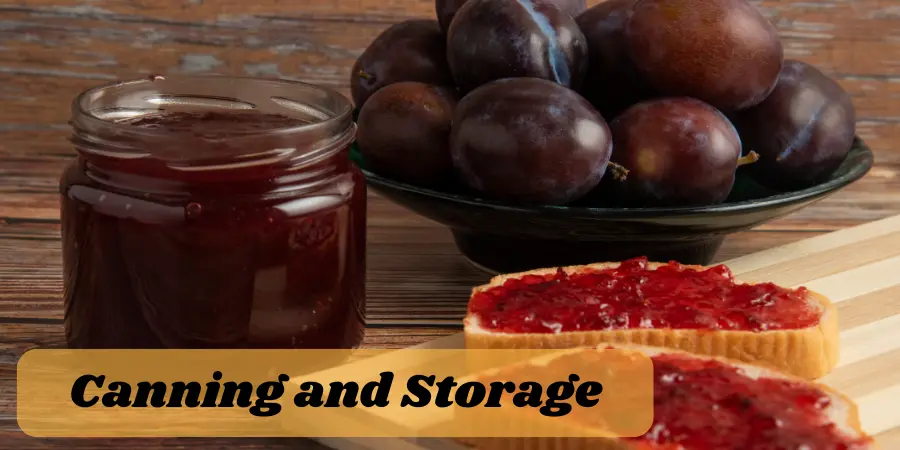
Storage & Serving Ideas
After your grape jelly has cooled for 12-24 hours, check that the bands are loose and the seals intact on all your jars. I always wash the outside with a damp cloth to clear any sticky residue that might invite ants or raise concern about spoilage. Shelving the home-canned goods in a cool dark pantry helps protect their color, nutritional quality, and rich flavor for about 12-18 months, as long as each jar remains properly processed with a solid seal. I like to place them on sheet trays in case a flaw in the glass causes a jar to broke or release a hissing sound, spurting, or bubbling when opened. Any unsealed jars can be safely reprocessed with new lids within 24 hours, following a tested recipe, and then marked with a label showing the product name and processing date.
For serving, I often refrigerate a jar overnight so the high acid fruit jellies are pleasantly firm by morning, ready to consume on toast, pastries, or even warm biscuits. If you notice off-smells, mold, or anything unusual around mid-March-one of the times I recheck my pantry-set that jar aside and, if needed, consult your local haruspex for any added concern. A properly processing and canning routine keeps the risk low risk, but I still pay attention, especially to jars that might have opened oddly or suffered from a minor flaw in the original heating. Stored thoughtfully and served simply, your jelly jars will stay safe, bright, and delicious far beyond the first taste.
Conclusion:
From years of trial and joy with Grape Jelly Canning Recipes, I’ve learned that simple grape juice, the right sugar, and balanced pectin turn home canning into a calm, rewarding habit rather than a chore. Working with fresh grapes or store-bought juice taught me to trust taste, adjust gently, and enjoy the process as much as the result. Each jar reminds me that homemade jelly isn’t about perfection, but about care, patience, and flavors that feel honest and familiar every time you open one.
FAQs:
How to canned grape jelly?
When I prepare my favorite grape juice at home, I like to combine it with sugar and pectin to create a smooth mixture that will cook nicely. I heat it to the right point where it begins gelling, and the sweet smell of warm jelly fills my kitchen. I set my canner on the stove with boiling water, making sure everything stays safe and clean. Once ready, I use clean jars and make sure each one is tightly filled, because that helps keep the final product truly shelf-stable. I always process each jar so that it can can properly, and watching the shiny jars cool reminds me how something so simple can feel special.
How long do you water a bath of grape jelly?
I’ve found that when I use a water bath canner with clean hot jars, I fill each with jelly leaving about ¼-inch headspace, then wipe rims, Secure lids, and lower jars gently. Once the water begins to bring to a full rolling boil, I start the processing time, usually about minutes (around 10 if you’re at or below 1,000 ft altitude). If you live higher up, you may need to increase that time slightly to prevent spoilage. This careful process, ensuring no sticking, being mindful when stirring jelly before canning, and completing the full bath, helped me store grape jelly safely every time.
Is it safe to can grape jelly at home?
When making grape jelly, I always make sure the jars are sterilized and hot before filling. I pour the mixture immediately, leaving about ¼-inch headspace, then wipe the rims with a dampened, clean paper towel to keep sealing smooth. I adjust the two-piece metal canning lids and process the filled, lidded jars in boiling water inside the canner, and after that, I carefully remove jars, letting them cool so they stay safe to store.
Does grape jelly require pectin?
When making grape jelly, many people wonder if pectin is truly needed. In my kitchen, I often try both styles—one version is long-cooking where the juice and sugar slowly form a smooth gel, and another uses an added boost of pectin for quicker results. The natural ingredients already come with some acid, which helps the mixture set, but getting the right balancing takes patience. This method requires you to work carefully, and each jar feels like it was made with extra attention.
How long will canned homemade jelly last?
How long can I keep my homemade jams and jellies on the shelf? For best quality, it is recommended that all home-canned foods be used within a year.

2 Comments
Pingback: Canning Apple Jelly Recipe: Sweet Magic in every Jar | Foody on Home
Very informative.