

Table of Contents
Thimbleberry jam derives its bright tart flavor and natural delicate taste from its base ingredient thimbleberries. The soft fragile berries which grow in cooler regions are found through traditional foraging methods so fresh thimbleberries cannot be sold in stores.
The cooking process transforms the ingredients into a jam which has a smooth spreadable consistency and contains no seeds because it requires no extensive processing. The small-batch fruit preserve is valued by artisan producers and home cooks who want to use simple fruit recipes.
Using high-quality fruit, sugar, and lemon juice to balance acidity and support setting, this jam is a popular and practical specialty preserve. From an informational standpoint, its clean flavor, minimal ingredient requirements, and traditional small-batch preserving methods make it commonly used as a spread or baking filling, and a unique alternative to raspberry jams and strawberry jams.
What Is Thimbleberry Jam & Why Is It So Rare?
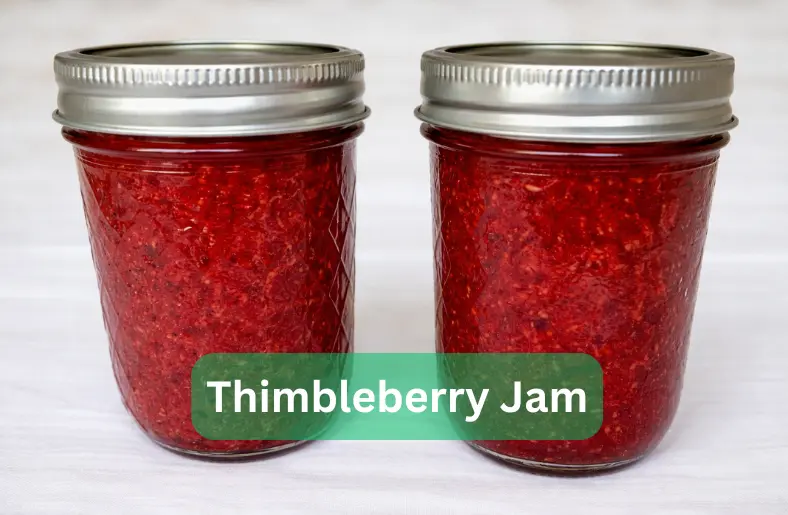
Thimbleberry Jam becomes a rare product because Thimbleberries only grow in wild environments throughout the Pacific Northwest and Great Lakes region of North America. This fruit preserve stands out because its ruby-red appearance and red berries and soft texture create a taste experience that combines sweet and sour elements. The product achieves a smoother texture which feels almost seedless because of its tiny seeds and soft seeds.
The fruit becomes difficult to transport because it has fragile delicate skins which make it highly perishable. A short harvesting season of a few weeks, low natural yield, and limited commercial cultivation mean it’s not widely farmed like common berries. The challenges which exist in production processes prevent companies from making large quantities of products which leads to interruptions in product availability.
The product exists as a small batch handmade item which people can find at local markets and specialty preserves but not at mainstream grocery stores and commercial jams exist in specific regions where they naturally occur.
How Does Thimbleberry Jam Taste?
Thimbleberry jam presents a taste that combines bright tartness and gentle sweetness while creating a less intense experience than raspberry. The taste experience delivers a pleasant tangy flavor which combines with natural mild sweetness to create a sweet taste that does not overpower the experience. The cooking process produces a gentle floral scent together with a fresh and clean light berry fragrance.
The fruit produces a less acidic and more balanced taste which creates a smoother drinking experience than both strawberries and blackberries. The fine seeds are often strained, which produces a smooth texture that adds to the unique appeal of the product.
The perfect jam matches the taste of people who want less sweet jellies, which complement toast, pastries, yogurt, and mild cheeses through their soft flavor, while the raspberry notes create a gentle aftertaste without producing intense flavor.
How to Make Thimbleberry Jam (Step-by-Step Recipe)
Start with a chilled plate in the freezer. I do this first because thimbleberries are a lower pectin fruit, so checking the set matters more than rushing the boil.
The recipe requires two specific pans which include a broad and heavy pan as the ideal cooking instrument. The extra surface area of the pan enables rapid evaporation which improves taste while providing an even thickening process for the jam.
The process requires you to heat your berries and sugar at a low temperature until the sugar completely dissolves. The temperature needs to remain constant because thimbleberries will decompose rapidly which represents their typical behavior.
Bring it to a gentle boil. Once boiling, do not over-stir. I’ve learned that gentle movement is enough and it preserves texture instead of turning the jam muddy.
Cook until it looks glossy and starts falling heavier off your spoon. You should expect softer set compared to high-pectin jams—that’s part of the charm.
Do the spoon test: the jam should fall from spoon in thick sheets, not runny drops. If it still drips fast, cook a little longer.
Do the plate test: place a small spoonful on the cold plate. Wait a few seconds, then pushed it with your finger—if it wrinkles slightly, you’re close or done.
If you like numbers, use a temperature check: at sea level, many jams are jam ready at 220°F (104°C). With a lower pectin fruit, it may set slightly below that—so trust your tests more than the thermometer.
Why Thimbleberry Jam Doesn’t Set Easily
The Thimbleberry jam process presents challenges because cooks discover that thimbleberries contain minimal pectin which prevents proper jam setting. Pectin functions as the essential element which allows jam to solidify but thimbleberries possess high moisture content and delicate cell structure which disintegrates during cooking to produce less natural pectin compared to apples and citrus and underripe berries. The second reason exists because the juice content reaches excessive levels. The fruit is soft and fragile, so it can release a lot of liquid in the early cooking process. The additional water content disrupts the necessary sugar-acid-pectin equilibrium which creates a solid set, and even prolonged boiling with evaporation fails to create sufficient compensation.
The process involves acidity as an additional factor. Thimbleberries contain a mild tartness which fails to produce sufficient acidity for activating weak pectin. The loose texture develops because the pectin chains lose their binding capacity when the acid content reaches insufficient levels. The main methods which help improve setting results for jams include using commercial pectin products which provide structural support through liquid pectin and powdered pectin and combining high-pectin fruits such as apple or currants and applying lemon juice to raise the acidity levels.
The majority of people prefer traditional jam which exists as soft-set because they find it more suitable for their needs. A looser consistency is not a flaw; it reflects fruit’s natural chemistry and traditional preparation style. Home cooks face difficulties when dealing with runny jam, so they should study the basic methods of Fixing Jelly That Won’t Set which provide assistance for creating set jams from low-pectin fruits such as thimbleberries.
Common Mistakes When Making Thimbleberry Jam
When making jam, many common mistakes happen because thimbleberries behave differently than regular berries, so a careful approach is needed for thimbleberry jam. One issue is expecting firmness and a firm set, even though naturally low pectin and low pectin cause a soft jam with a soft set. Overcooking to force thickness leads to dull flavor and darker color. Adding sugar too early triggers fast juice release, as sugar pulls out juice from delicate fruit, affecting proper cooking, reduced flavor, and texture issues.
Many also skip acid balance; while mildly tart, the right acidity supports ideal gel formation, helped by a small amount of lemon juice without an overpowering taste. Cooking at high temperatures results in two errors which produce scalding fruit and bitter taste through their effects. The procedure requires you to stop stirring after reaching the appropriate amount because excessive stirring will damage the seeds and pulp. Using underripe berries or overripe berries brings weak flavor or excess water.
Improper testing, testing jam by relying on time instead of visual thickness cues, ignores best practice: gentle heat, minimal handling, fruit handling, a naturally soft texture, spoon-able jam, balanced jam texture, and steady jam consistency.
Thimbleberry Jam Variations & Health-Friendly Options
Thimbleberry jam is loved because thimbleberries can be adapted easily to match different taste preferences and health goals without losing their natural flavor. Cooks prefer lighter recipes with fruit-forward recipes because berries contain low pectin and low sugar content. The current popular low-sugar versions reduce added sugar while preserving natural tartness through low-sugar pectin which allows dependable jam set with minimal sweetness.
The recipe uses natural sweeteners because it substitutes refined sugar with small amounts of honey and maple syrup while maintaining whole-food ingredients. The best method to achieve exact sweetness levels involves multiple times of tasting throughout the cooking process which health-focused cooks consider to be trustworthy.
“If you prefer healthier spreads, experimenting with Low Sugar Jelly methods allows you to enjoy the thimbleberry flavor without overpowering sweetness.”
Creative Uses of Thimbleberry Jam
Thimbleberry jam produces artistic potential through its acidic brightness and its ability to maintain its loose texture because solid gel forms cannot meet these artistic requirements. The flavoring of the jam matches both sweet and savory dishes because its raspberry-like tartness enables it to be used in various culinary applications which surpass ordinary jams. I use it to top pancakes and waffles and crepes because the softer set of the product spreads easily. The gentle swirl creates natural color and tang for yogurt and oatmeal and cheesecake batter, while the filling for thumbprint cookies and sponge cakes helps with absorption and enhances flavor.
Savory dishes require small ingredient amounts which provide balance without adding sweet taste. I’ve used it to glaze roasted meats and game or combined it with vinegar and oil to create vinaigrettes for salads. It’s also served on cheese boards with goat cheese or mild blues.
The product requires cold application because its delicate nature and reduced sweetness from most preserves need to be preserved for optimal fresh berry flavor and aroma. Thimbleberry jam serves as a topping or flavor layer for recipes such as Strawberry Rhubarb Pie Filling which creates a sweet-tart balance between flavors.
How to Store Thimbleberry Jam Safely
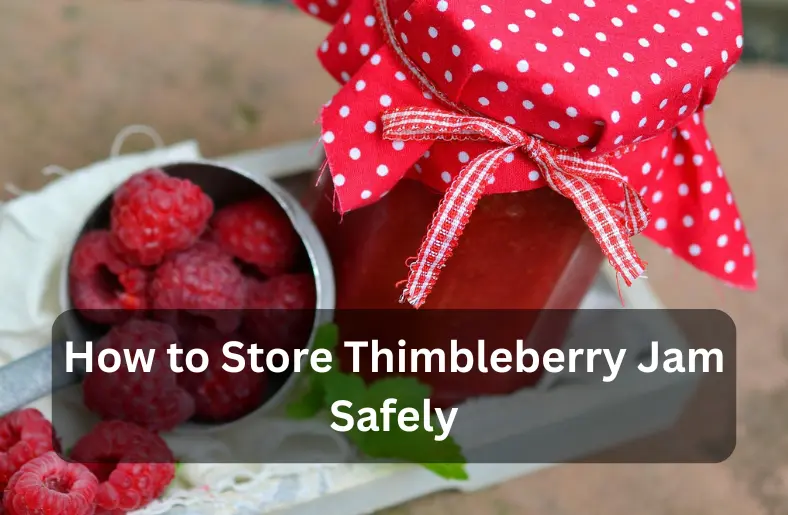
The proper method for storing thimbleberry jam requires both correct sealing procedures and storage area cleanliness maintenance. The jam needs to cool completely before the process of transferring it into sterilized glass jars with tight lids begins. The product requires storage in airtight containers which must be kept in the refrigerator at temperatures of 40°F (4°C) or lower. The homemade low-sugar spread remains safe for 2-4 weeks when properly stored in the refrigerator because thimbleberries contain natural low pectin and acid levels which influence setting.
The boiling water bath canning method approved for high-acid fruit spreads serves as the best solution for storing high-acid fruit spreads. All sealed jars should maintain their airtight seal while resting in a dark cool area that lasts up to one year. The best safety practices require using clean utensils which prevent contamination. The first step requires you to throw away any jam that shows mold or bubbling or has an unusual smell. The product needs to be kept in the refrigerator after you open it because the product comes from a sealed can.
The metal containers should not be used because they cause chemical reactions with fruit acids. The best solution for determining acidity and sugar levels should involve using refrigeration.
FAQs
Why is thimbleberry jam so expensive?
Thimbleberry jam is the most expensive jam because berries difficult to find must be harvested by hand. Its biology, small-scale production, family businesses, and labor intensive work raise costs.
What does thimbleberry jam taste like?
It has a unique flavor profile, similar to raspberry, with distinctive floral notes and a velvety texture, offering a true taste and sensory profile of the wild Midwest.
What states do thimbleberries grow in?
The thimbleberry plant grows in Southeast Alaska and extends its range eastward through the Rocky Mountain states and South Dakota and the Great Lakes region until it reaches New Mexico, while this species demonstrates consistent vertical growth.
What is another name for thimbleberry?
The wild North American plant Rubus parviflorus which people commonly call thimbleberry has the alternative name redcaps because it belongs to the Rubus genus which grows in northern temperate areas of North America.
Can humans eat thimbleberries?
Thimbleberries grow as edible fruit which people consume because of their tart flavor. People eat thimbleberries raw or they cook them before transforming the fruit into jam jelly and pemmican products. People commonly discover thimbleberries during their foraging activities in cool mountain areas which contain shady and moist environments.
Conclusion
Thimbleberry Jam stands apart because it reflects the true nature of wild fruit rather than a factory-made preserve. The soft set of the product together with its gentle tartness and clean berry flavor which I discovered through my small-batch cooking experience lead me to believe that the product shows proper fruit handling techniques and product quality. The preserve requires customers to wait between the two stages of light cooking process because it requires them to use basic components.
The product exists in limited supply because its special features stem from three elements which include delicate berries and restricted harvesting periods and required manual work. The product achieves its best results when users accept its natural loose texture which works well for actual kitchen uses through spreading on warm bread and mixing into baked goods and serving with mild cheeses. Home cooks who want to create unique dishes should study Low Sugar Jelly techniques because this method gives them extra power to control their recipes while maintaining their original taste.
Thimbleberry jam exists to show perfect fruit preparation through traditional methods which create balance between the fruit itself and its intended way of consumption.
