

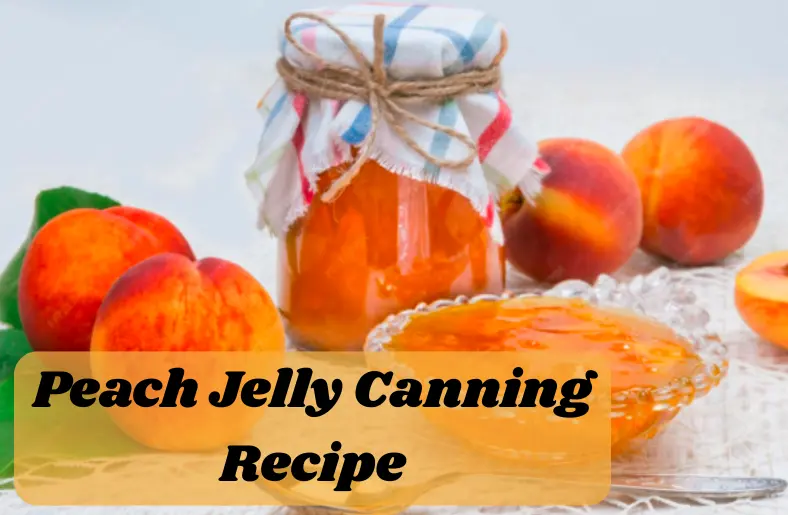
I learned Peach jelly canning during summer, when the golden light felt like sunshine in every jar. I was inspired by my own childhood memories of warm biscuits and sweet fresh peaches while I was working with peach juice and a hint of lemon for brightness. This recipe remained smooth with pectin and turned into a spreadable preserve that kept and conveyed the calm joy of the peach season due to the gentle water-bath and clean jars that rested in the fridge.
I still remember the first juicy bite I saved from the peak days of summer, when I wanted to preserve that delicate sweetness for late, a small act of everyday, seasonal living that feels honest and personal.
Why This Sweet Peach Jelly Canning Recipe Feels Special
This no-fuss jelly in my kitchen is easy to use and has a forgiving flow that could be canned, refrigerated, or even frozen without any issues, so the novices will feel safe while learning home peach jelly canning. The easy recipe is very straightforward and, in no time, turns into an excellent starting point for anyone who wants to experiment with home food preservation. I really like the way it combines the flavor of ripe summer peaches with a bright and sweet taste that gives the impression of freshness no matter the season.
The product finally comes out of beautifully transparent jars filled ( like grape jelly) with lovely and naturally-colored contents that can either be placed in the pantry or wrapped up with a ribbon and a tag as a gift for your kitchen gifting idea. It is so versatile that you can use it for breakfast spreads, appetizers, or gourmet cheese moments, and every batch will contribute to the quiet enjoyment of my kitchen throughout the year.
Peaches That Bring the Best Jelly Results
From my kitchen experience with home canning, starting with Clingstone peaches gives a juicier payoff — more bang from the fruit. I prefer yellow peach varieties because they work well for juicing my own harvest; I aim for 3 pounds to get three cups of juice. The real talk is that the juicy af aroma is great for jelly, while Freestone is easier to pit but yields less.
I use organic fruit when leaving the skins and peels to boost flavor on this high-spray crop; with conventional fruit I peel it first — no big deal. When I’m feeling lazy or it’s out of season, bottled juice works beautifully and still tastes like summer, giving me the flexibility I value from real-life batches and years of careful practice in small runs.
Ingredient Essentials
The flavor of peach jelly made in my kitchen aligns with my observation that the use of Fresh and organic Peach is the best choice, although a jar of 100% peach juice from the store will do. I’m fond of the way the juice from ripe peaches and the sweet fruit mix with water, bright lemon juice, and a touch of apple cider vinegar. The ratio of sugar and measured cups sugar is very important especially when I employ pectin, whether it is powdered pectin, Liquid pectin, dried pectin, or pectin powder, for during cooking it must set after being mixed and gently boiled for a short period at different points in the process.
My recipe card, complete with careful ingredients, step-by-step instructions, kitchen notes, and estimated nutritional information, reminds me to add the cups of peaches, which are already peeled, chopped, and measured in tablespoons, for smooth, bright jelly.
Tools you’ll need
Water bath canner
Cheesecloth or jelly bag for straining the peach juice.
Making Peach Jelly – Step by Step Home Canning Journey
I’ve spent many seasons working with fresh orchards full of peaches, and every batch reminds me why I love canning at home. In this guide, I walk through my own small-kitchen workflow, moving from one phase to the next in 8 clear steps – each step gently leading into the next so the work feels natural rather than rushed.
Step 1
I begin with about ~3 pounds of ripe, sometimes organic, quartered fruit. I don’t consistently remove the skin and the stones of clingstone varieties; nevertheless, I still manage to extract the delicate taste that I enjoy through careful juicing. I mix in 1½ cups of water and heat it to a soft boil, then let it have ~20 minutes, continuously stirring and lightly mashing to pull the juice out.
Step 2
Patience has, from experience, become a virtue to me. I put the liquid through a damp jelly bag or cheesecloth for 2 hours minimum (it’s sometimes overnight). At the end, the amount of nicely drained flavor that I have is usually around 3 cups. If I’m short on time, I’ll use bottled peach juice and simply measure what I need — trusting my own kitchen judgment.
Step 3
Before heat goes up, I wash my jars, lids, and bands in hot soapy water. I keep them warm in a gentle simmering bath around 180°F, so everything is ready when the jelly reaches temperature. Having the setup done means I’m never scrambling at my work station.
Step 4
In a sizable pot, I mix the juice along with a little lemon and whisk in all the powdered pectin until it is completely dissolved. I turn up the heat to maximum and let it boil vigorously; then I add sugar and keep stirring all the time so that the mixture remains smooth. I allow it to boil hard for 1 minute and take it off the heat, occasionally putting in a tiny splash of bourbon (this is completely up to you). I get rid of the foam using a clean spoon.
Step 5
From years of practice, I watch how the syrup drip forms gentle sheets instead of thin syrup. When it looks good and thick enough, I know it won’t need a re-boil.
Step 6
I ladle the hot jelly into jars and leave about ¼” headspace. I wipe the rims, place the lids, and turn the bands fingertip-tight. Each jar goes into the canner, making sure the water is 1” above the tops.
Step 7
I thermal process the jars for 10 minutes, adjust for altitude if necessary, then turn off the heat and let them sit for 5 minutes. Then I shift them over to a towel-lined counter to cool for 12–24 hours after which I check the seals. Properly sealed jars can be stored in a dark pantry for 18 months.
Step 8 — Final
Any that aren’t sealed get refrigerate storage and are enjoyed within weeks. Others stay warm at heart — a memory of the work I set aside, carefully prepare, and proudly keep prepped and ready for family moments year-round.
Tips for canning experience
From my own kitchen practice with Peach Jelly Canning, I’ve found that Sterilizing jars before processing keeps the work steady, especially when the time reaches 10 minutes or a bit longer. I like using homemade juice, but bottled peaches work too, and using scraps from old recipes helps me create extra flavor from ripe peaches. Gentle straining and avoiding any squeeze of the pulp prevents cloudy jelly and keeps it translucent.
I never double a recipe, because Doubled batches rarely set. I avoid white fruit when canning, since it can be less acidic for the boiling method. While filling, a funnel is my favorite tool to stop spilling. I Store unopened jars in a cool, dark place for 12 months; once opened, I refrigerate them for 2–3 weeks. I enjoy making small batch jars for gifting, keeping my pantry stocked with seasonal flavors. For a tangier fruit profile, many home canners also try Low Sugar Rhubarb Jelly as a seasonal variation.
Serving Ideas for Peach Jelly
This jelly in my kitchen acts as a warming appetizer, and I serve it with warm buttermilk biscuits slices, gentle cream cheese spread on rich crackers around the snack board. When friends visit, I serve it as a sweet with a little bit of spiciness and a balsamic glaze that I daub on grilled chicken or seared pork chops; it also creates baked brie that tastes like gourmet gifts from the kitchen and is a decadent topping.
After canning, I usually pack small jars of it; however, from experience, I keep a jar in the freezer for easy sharing and that thaw in the fridge before serving. If you are looking for a creamier old-fashioned style spread, then you might be interested in the Strawberry-Rhubarb Jam Without Pectin.
Low-Sugar Peach Jelly
Working from years of kitchen practice, I prepare peach preserves in a canning style that keeps the fruit center-stage while shaping a gentler jelly texture. I blend pectin first so I can reduce added sugar to only 1–2 measured cups, a balance that maintains a dependable yield and a bright, garden-fresh flavor.
In my experience, this low-sugar method creates a mellow sweetness that feels natural, especially when simmering small seasonal batches where control matters. I keep the heat steady, watch the set carefully, and let the aroma guide timing—skills I refined through many home trials across summers of canning. If you enjoy lighter, fruit-forward preserves, you may also like Low Sugar Mixed Berry Jelly.
Storing & Shelf Life Essentials
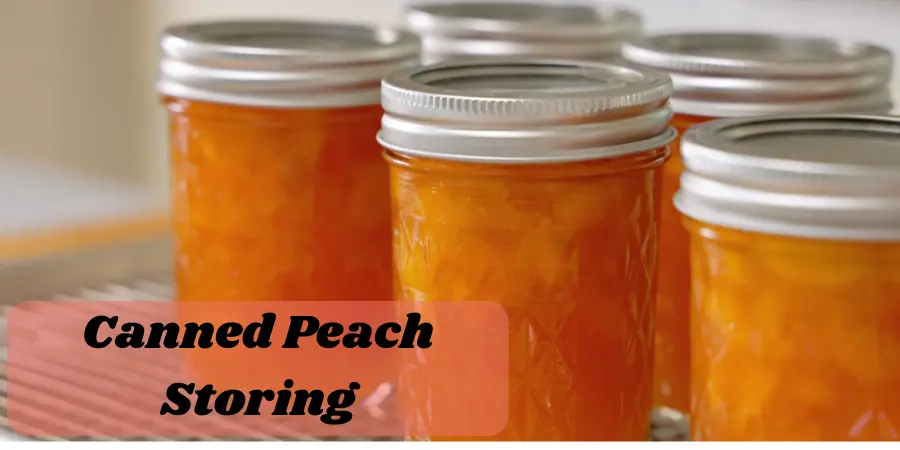
In my home kitchen, I’ve learned that smart storage keeps every jelly jar safe after canning a small batch from a favorite recipe. I place straight-sided jars and freezer-safe containers in the freezer when freezing extras to prevent cracking and allow ½ inch of headspace at the top of each jar for expansion.
I keep them for one year at maximum then I defrost them in the fridge before using. For the shelves, I store unopened jars in a cool, dark place for 12 months; after that, I refrigerate and use them in 2–3 weeks. This rhythm suits gifting perfectly, keeping my pantry organized with seasonal flavors, and it mirrors the habits I use every day.
Conclusion
In my own kitchen journey with Peach Jelly Canning, I’ve found that the gentle rhythm of summer peaches, careful straining, and a calm water-bath process turns childhood memories and small-batch practice into a smooth, bright jelly that feels honest and homemade. Working from the flow I refined while learning during warm seasons, I value how this recipe welcomes beginners yet still reflects lived experience, from choosing juicy clingstone fruit to watching the set form like soft sheets instead of syrup.
The same patient steps that guided my first jars now support flexible batches, whether using fresh juice, bottled options, or a thoughtful low-sugar approach that keeps the peach flavor at the center. Each sealed jar carries the ease of year-round sharing, pantry gifting, and those quiet kitchen moments where simple ingredients, clean jars, and steady heat preserve the joy of the peach season.
FAQs
How long does peach jelly take to set?
Ans: At least 2 hours or overnight.
Can peach jam be water bath canned?
Ans: Yes, peach jam is safe for water-bath canning because it’s a high-acid preserve.
What keeps peaches from turning brown when canning?
Ans: To prevent browning, sliced peaches with Fruit Fresh ,toss your peeled or a lemon juice mixture before canning.
Does peach jelly need lemon juice?
Ans: If your peaches are particularly sweet, a little lemon juice adds brightness and helps balance the flavor.
Can I eat 5 year old jam?
Ans: A 5-year-old jam may still be safe only if the seal is intact and there are no signs of mold, off-smell, or fermentation, otherwise discard it. Even when sealed, color, flavor, and texture usually degrade over time, so quality may be poor. If you believe me, I would never recommend you do this.
