

Strawberry guava jelly stands out among preserves because it offers a different flavor from everyday jams while still feeling familiar and safe to make at home. Many readers begin an online search not just for recipes or ingredients, but for answers about taste, effort, and whether the fruit flavor will set properly during cooking. Strawberry guava jelly is one of the most interesting types of preserves as it adds an unusual flavor to the base of jams, but at the same time it is a safe and familiar option for home cooks.
Usually, the first step for most web searchers is asking about tastes, for example, difficulty of work, and whether the fruit flavor will set properly during the cooking. With its natural sweetness balanced by a gentle tartness, the tropical fruit produces a bright jelly that is never overpowering. When home cooks know the behavior of cooking and the correct fruit handling, they have the ability to control the texture, clarity, and flavor% balance.
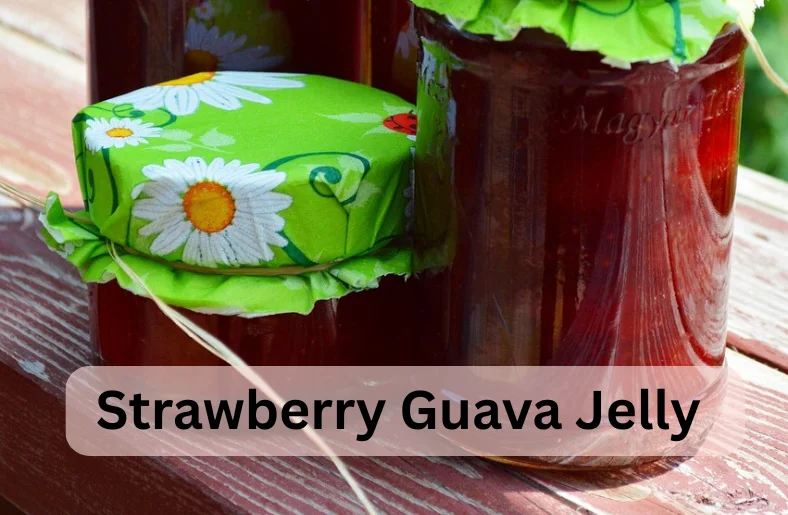
The outcome is a smooth texture, jewel-toned jelly with a clean finish, different from many store-bought versions that become cloudy, too sweet, or with no flavor at all. The natural pectin has made the non-experienced feel less anxious even in their very first trial, and they get dependable results which can be applied for regular use, preserving rotation, a gift that feels exceptionally special and not only builds confidence but also is a source of great pleasure.
What Is Strawberry Guava Jelly?
Strawberry guava jelly is not just flavor but a clear preserve and fruit-forward preserve made from juice of strawberry guava, a tropical fruit with bright aroma and naturally balanced, sweet-tart flavor. It stands out from common grape jelly or apple jelly with a mild strawberry note, hint of citrus, clean taste, and refreshing taste, never heavy sweetness.
Many people look up this jelly for something more interesting than standard spreads, yet simple enough to make at home. From my experience, Others fail to explain its texture and reliability. Thanks to natural pectin, when cooked correctly, it can form a good gel, set well, without becoming stiff or without becoming gummy. This makes it appealing to first-time jelly makers and experienced preservers seeking predictable results.
This is very much a luring feature for people new to jelly making and for those who have already preserved a lot of jams and jellies as they will get the same predictable results.
The end product has all the jelly qualities, i.e. smoothness and shininess along with very strong color, and is thus suitable for toast, pastries, and glazes with the addition of savory pairing like cheese boards.
Once you know what it is, it helps you to make a decision based on your taste preferences, the level of skill, and the reason for preserving it, whether it is for daily use, seasonal enjoyment, or a unique homemade gift. Like other tropical spreads such as Passion Fruit Jelly OR Black Raspberry Jam, strawberry guava jelly delivers a sweet-tart balance that makes it popular for both sweet and savory dishes.
Origins of Strawberry Guava
Strawberry guava has its roots in the tropical areas of South America, mainly Brazil, where this fruit was naturally cultivated for centuries. It was used before the modern recipes or home preserving guides to its full potential due to its strong aroma, versatility, and ability to grow in very hot climates with little care. Native American tribes used it as a fresh and cooked ingredient, enjoying the mixture of sweetness and acidity that was in their range of lands.
Then through trade and migration, it went to the Caribbean, Hawaii, and Southeast Asia, where it quickly became a part of the local food traditions. In areas without refrigeration, making jelly out of it was a very realistic way of extending the short harvest season, thus preserving not only the fragrance and color but also giving rise to today’s strawberry guava jelly.
Why Is Strawberry Guava Perfect for Jelly?
For me, strawberry guava is truly perfect for jelly because it naturally solves problems that home cooks face when making fruit preserves. The problems of weak flavor, unreliable setting and super sweet results are solved effortlessly by this method. Its powerful and pleasant scent along with its well-adjusted sweet and sourness bring life to the taste, no matter if it is already cooked.
Unlike fruits that lose character when heated fruit breaks down, it keeps fragrance, so the finished jelly has a clean flavor, not a cooked note or dull note. The natural pectin content, when simmered properly, means the juice thickens predictably, with reduced need for heavy pectin additions or long boiling times that damage flavor. This forgiving fruit helps beginners who worry about runny results or rubbery results.
Once the juice goes through clarification, it presents itself as a shiny jelly, nearly like a gemstone in color, and of course, it is nice to see and good to eat. Besides, from the practical side, it is a very adaptable jelly that glides on easily, complements the taste of both sweet and savory dishes, and is able to maintain its texture even after a long period. That reliable performance gives a confident decision that it’s suitable for jelly, one of the smartest fruits to preserve.
Ingredients Needed for Strawberry Guava Jelly
Strawberry guava jelly is made through the wise selection of the main ingredients, as each one of them has a specific role to play. Ripe strawberry guava, if it could be called my first choice, at its utmost ripeness. The fully-grown fruit releases the strongest fragrance, the most substantial natural sweetness and also the right amount of acid to keep the flat taste or dull color of either unripe or overripe fruits from happening.
Sugar is not only a sweetener. It assists gel formation, preserves jelly, and maintains shelf stability. If sugar is cut down too much, it will result in weak sets and short shelf life. The amount of lemon juice adds to the effect; it stabilizes the pH, balances the tartness, improves the clarity, and makes the natural brightness more apparent without risking the taste.
Slightly water, used in small quantities, allows extraction during juice cooking the flavor not to dilute. Pectin is optional, but it does help in giving the desired firmness, though the fruit usually sets well if cooked properly. This knowledge of the ingredients lets you adjust the recipe with confidence for the best final result, texture, and proper jelly setting without risking texture.
Step-by-Step Strawberry Guava Jelly Recipe
Step 1: The “origin” of my strawberry guava jelly is never the pot or the stove—it’s the first step: choosing fruit at the right stage of ripeness. I wait for fully ripe strawberry guavas because they give the strongest fragrance and a balanced sweet-tart flavor once heated.
Step 2: I learned early that jelly flavor concentrates as water evaporates. If I start with underripe fruit, I get flat taste and grassy taste. If it’s overripe fruit, it can mute color and aroma.
Step 3: Before anything else, I focus on washing the fruit well and trimming blemishes. That’s how I keep bitterness and cloudiness out of the finished jelly.
Step 4: Next comes fruit gently chopped, then cooked with a small amount of water to release juice without diluting flavor. During this slow simmering stage, I ignore what others rush, my patience makes a noticeable difference as the guavas soften.
Step 5: As they cook, natural pectin and acids released gradually help the juice sets reliably. I crush fruit lightly during cooking to improve extraction, while avoiding pulp breakdown that leads to hazy jelly.
Step 6: When fruit is fully softened, I do a mixture strained to separate clear juice from solids, true jelly quality. Pressing too hard gets pulp forced through the strainer, so I use gentle draining for a bright jewel-colored liquid, plus extra minutes for better clarity and smoother final texture that quick recipes overlook.
Step 7: Then measured sugar goes into the extracted juice for sweetness, structure, and preservation because sugar works with natural pectin for a stable gel. I avoid reducing too aggressively, or I risk runny jelly and shorter shelf life. Lemon juice added helps fine-tune acidity in naturally acidic strawberry guava; controlled pH improves gel formation, brightens flavor, and prevents dull taste in storage.
Step 8: Finally, mixture brought to rolling boil, stirred consistently to prevent scorching. Here, attention matters more than timing: liquid thickens, bubbles change, aroma sharpens—better results than counting minutes. Optional pectin gives a firmer set if preferred, but many batches set beautifully without it when cooked correctly.
When jelly reaches the setting stage, I remove it promptly from heat to preserve flavor and preserve color; overcooking darkens jelly and dulls fresh strawberry guava notes. Hot jelly poured into prepared jars, sealed, processed for safe storage.
After cooling, it firms into a smooth spreadable texture with a clean finish and vibrant color. Following this method gives control, flavor, clarity, consistency, with guessing avoided and less fixing mistakes later. You’ll know exactly why your strawberry guava jelly sets properly, tastes bright, and becomes a recipe worth repeating and sharing.
Common Mistakes to Avoid When Making Jelly
When making jelly, especially strawberry guava jelly, I learned early that under-ripe fruit or overripe fruit causes weak flavor, dull color, and a poor clean set. Rushing the juice extraction stage, cooking fruit too quickly, or using too much water leads to diluted flavor, weakened natural pectin, runny jelly, or bland jelly.
Many recipes fail to explain that pressing pulp too hard during straining affects appearance and texture, creating cloudiness. Reducing sugar without adjusting technique harms gel structure and shelf stability, causing soft sets that won’t hold over time.
Overcooking jelly at the final stage results in darkened color and flattened aroma, losing the fresh aroma and strawberry guava aroma. Avoiding mistakes gives better control, clearer jelly, and reliable results.
Storage & Shelf Care
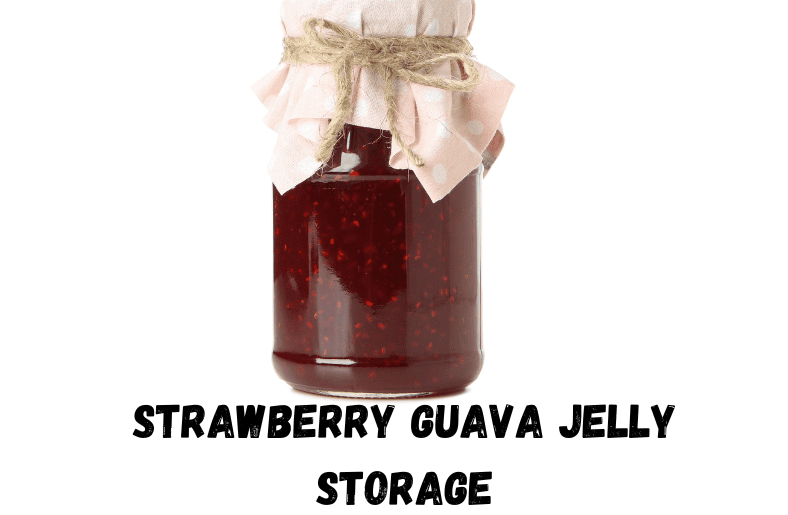
After opening, refrigeration is essential for strawberry guava jelly. Keep each jar tightly covered and used within a few weeks for best quality. From experience, if you notice moisture inside the lid, surface drying, or off smells, it’s a clear sign the jelly is past its prime.
Many guides miss that stacking jars still warm can weaken seals over time. Always let jars rest undisturbed at least 24 hours before moving. This greatly improves long term stability and safety.
Best Ways to Use Strawberry Guava Jelly
Strawberry guava jelly is a fantastic condiment with an exceptionally creative and delicious usage. The very first thing I did was to spread it simply on warm toast or fresh bread; it gives a nice, gentle, fruity flavor that is not very heavy. I also had it mixed with thumbprint cookies, rolled pastries, and cake layers and they were super scrumptious because the filling was nice and firm and did not soak into the goods.
Many home cooks do not realize that it is a good companion to savory foods; a little spoon offered together with soft cheeses, grilled chicken, or roasted vegetables gives the dish a nice contrast that is not too strong. This product lets you vacillate between the two options of morning only or a versatile pantry staple that elevates the daily meals.
If you are fond of bold, berry-like spreads, you might also like Black Raspberry Jam without pectin which provides a deeper and richer flavor profile and hence, can be used in desserts and breakfast recipes.
Conclusion
People who enjoy unique and less common fruit spreads often compare strawberry guava jelly with artisanal options like Thimbleberry Jam, known for its delicate texture and mild sweetness. From my own batches, this jelly earns trust because of its reliability, sweet-tart taste, and clean flavor achieved through proper extraction and careful cooking.
The jewel-toned spread feels refined, avoids unnecessary complexity, and brings confidence to beginners and experienced canners alike. It’s a smart choice, worth making again, whether paired with sweet dishes or savory dishes, shared as a thoughtful homemade gift, or enjoyed at daily breakfasts.
FAQs
How to store strawberry guava?
Strawberry guavas ripen off the tree; store at room temperature until mature, then refrigerator or frozen for long-term use.
What are the benefits of strawberry guava?
Antioxidants, vitamins, and polyphenols in strawberry guava protect bodies from free radicals, supporting heart health and diabetes balance.
Can diabetics eat guava jelly?
Yes, guava is a great option for diabetics.
Is jelly healthy or junk food?
From my kitchen experience, traditional jellies from shops depend on composition; they contain large amounts of sugar, artificial colorings, flavorings, mainly provide empty calories, energy without essential ingredients that support the body, reduce nutritional value, so-called types of products widely available.
When to avoid eating guava?
Avoid eating guava on an empty stomach if the digestive system is not good, as fiber may increase acid production.
